


A SOUTH AFRICAN
POLYURETHANE SYSTEMS
HOUSE WITH GLOBAL
TECHNOLOGY
A SOUTH AFRICAN
POLYURETHANE SYSTEMS
HOUSE WITH GLOBAL
TECHNOLOGY
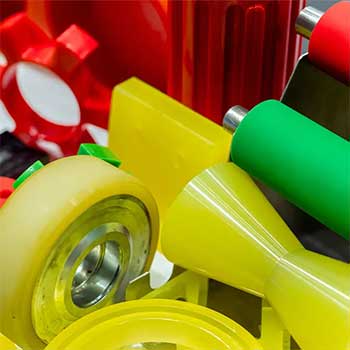
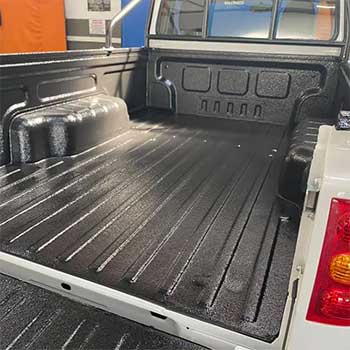
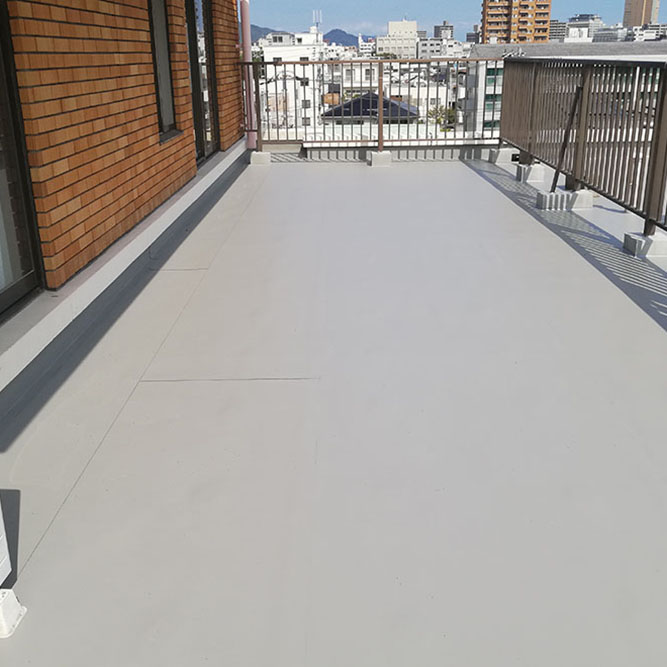
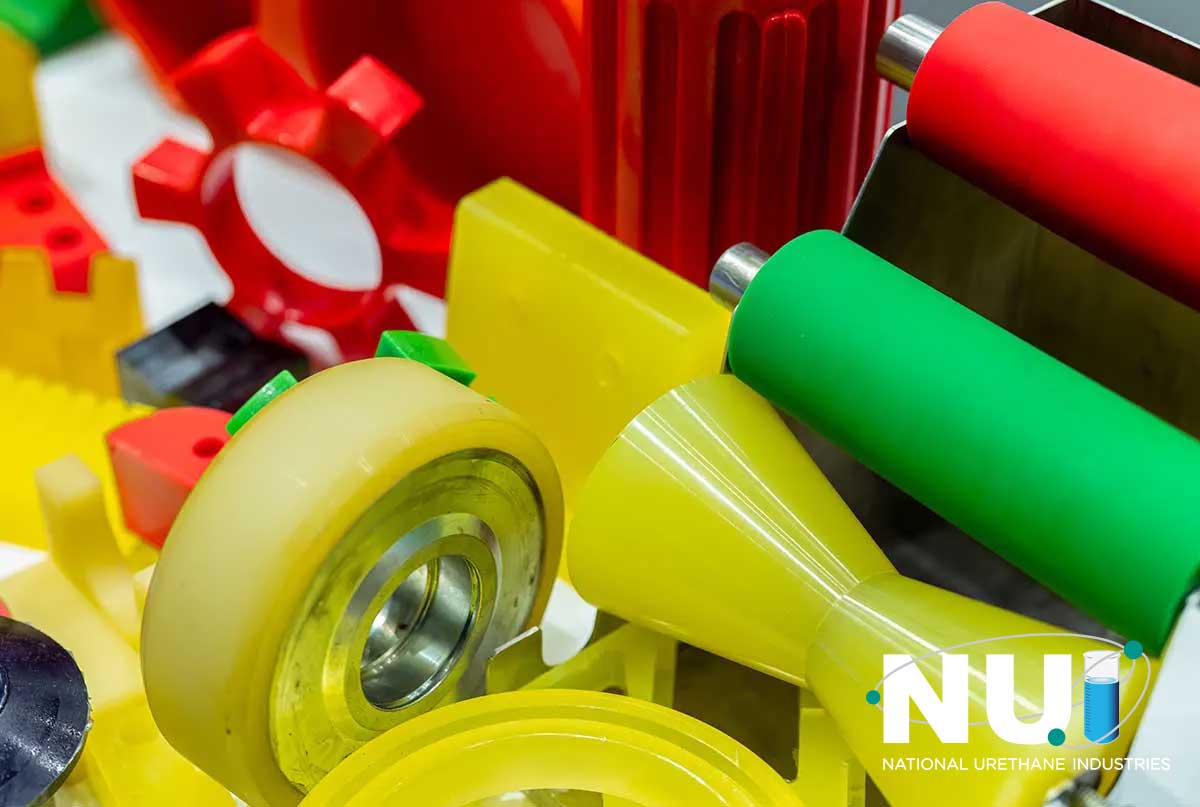
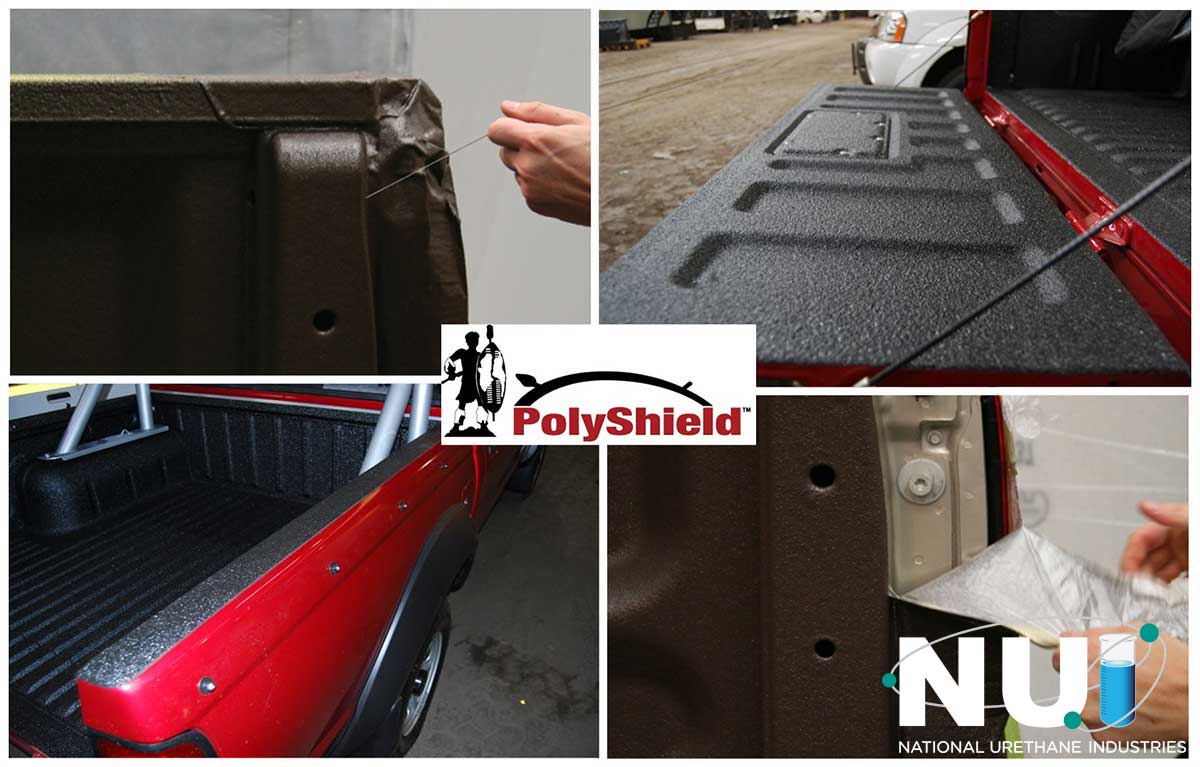
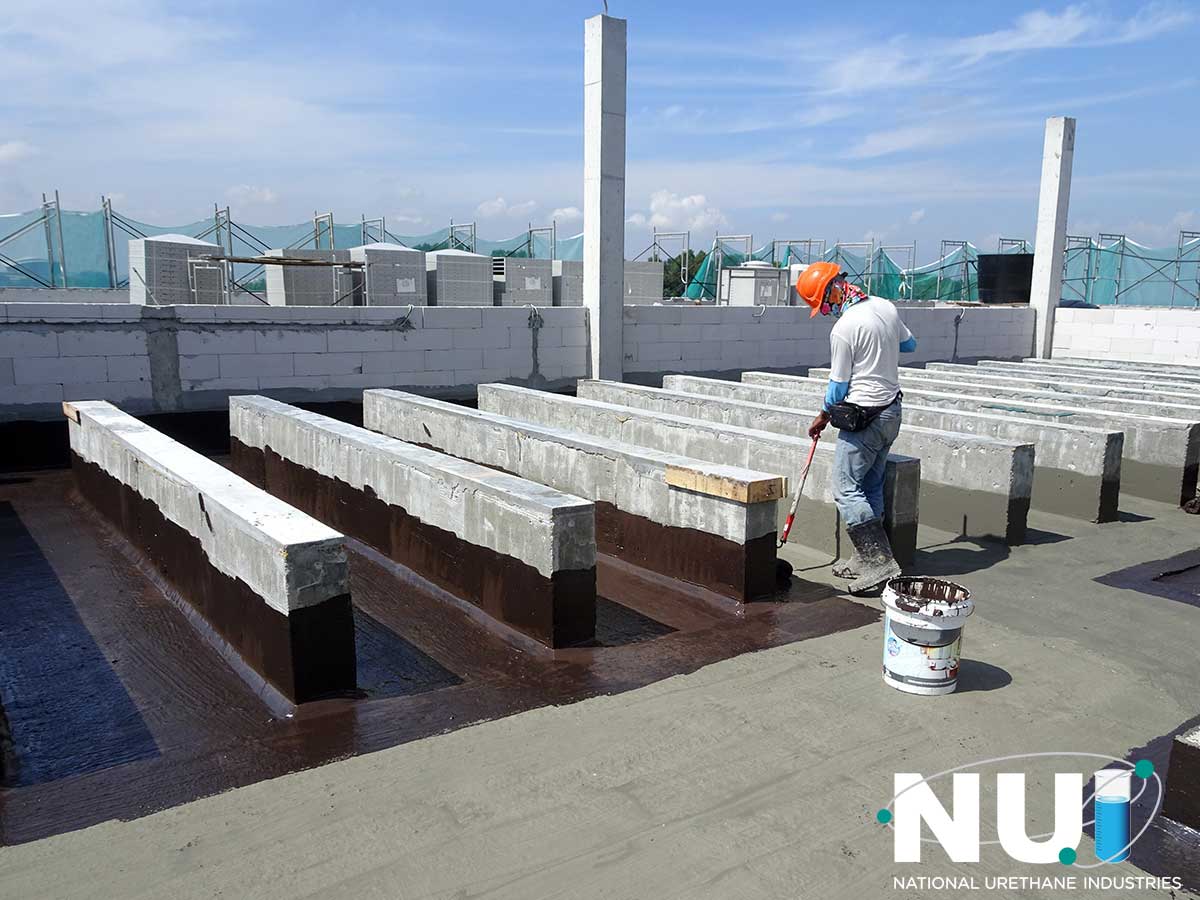
Since 1982 we have fixated on creating solutions tailored to customer needs and processes by using advanced formulations & technology to manufacture the highest quality polyurethane systems specializing in CASE products [Coatings, Adhesives, Sealants & Elastomers].
Everything we manufacture is proudly made in South Africa and our diverse development & production capabilities brings an extensive range of product materials to the African market.
Our strongminded workforce thrives on sustaining all delivery requirements to our customers whilst upholding quality control and service excellence our consumers expect.
Polyurethane products first made their appearance in the market place in the late 1930’s. This was after an intensive investigation by Dr Otto Bayer who was looking for a synthetic fibre to replace nylon. Once the basic technology was understood, new applications for foams (1941) and elastomers (1943) were developed. In the early 1950’s, commercial applications appeared.
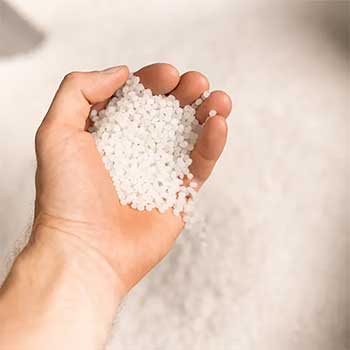
The variety of raw materials as well as the range of different manufacturing techniques enabled pioneers to make a seemingly endless range of tailor-made products with different physical properties. These included soft foams, rigid structural and insulation foams, soft and hard elastomers and coatings.
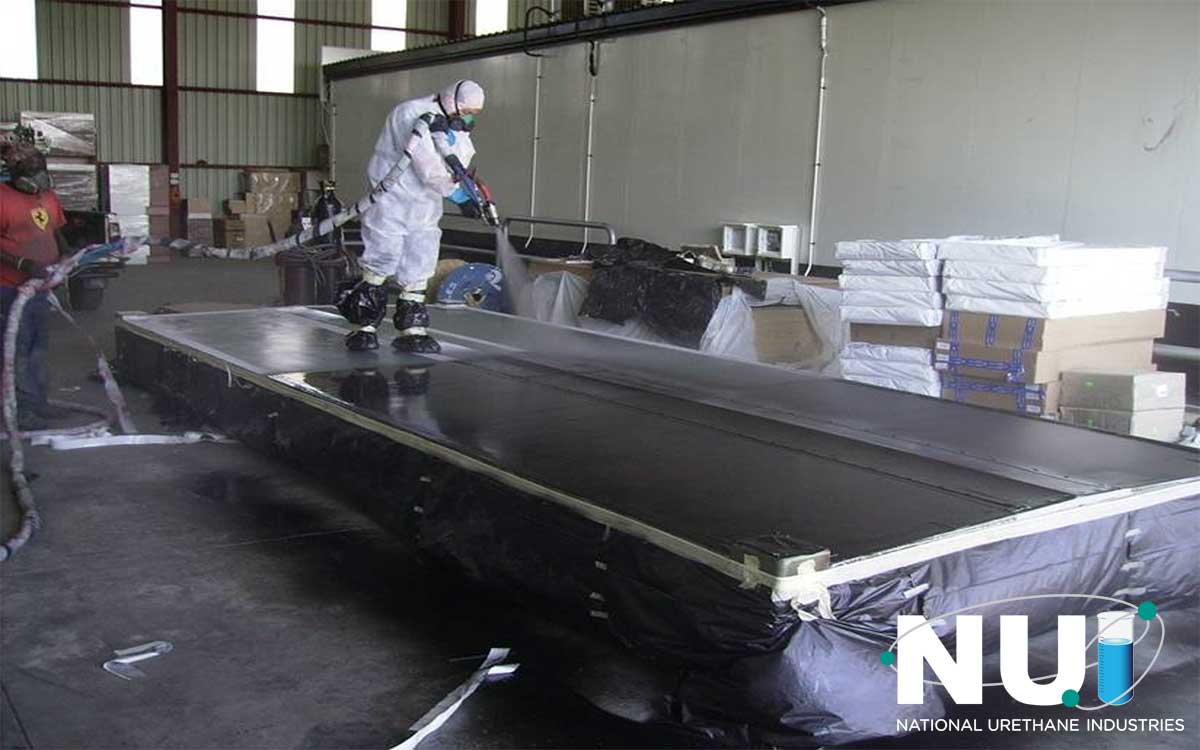
Processing techniques include casting, spraying, foaming, reaction injection moulding, injection moulding, extrusion and painting.
Find out more
166,414 likes